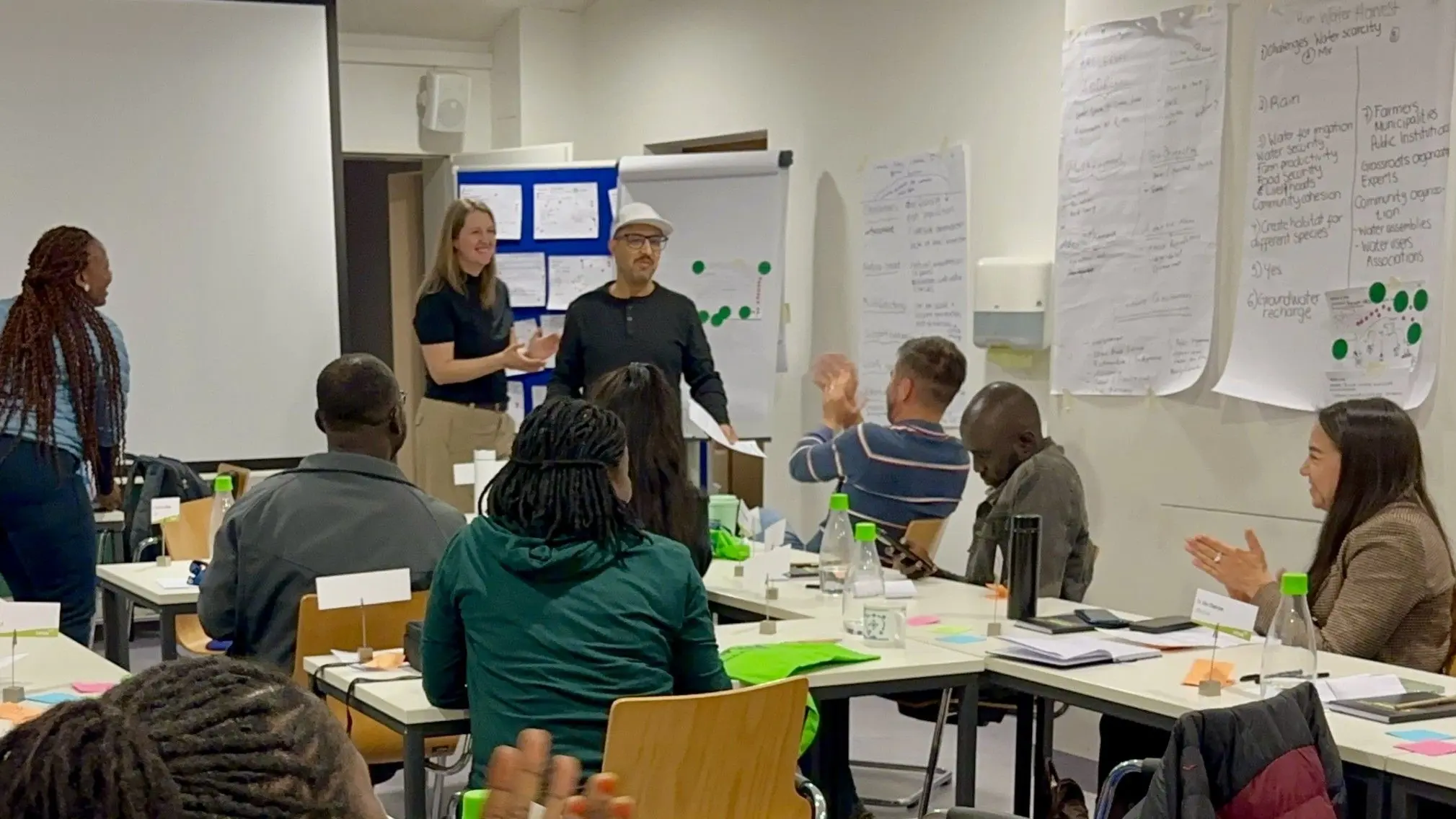
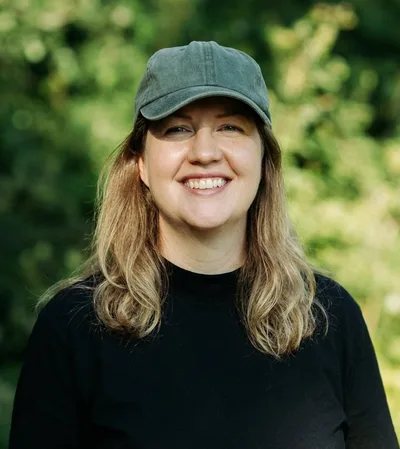
Now the project becomes real.
Getting a Horizon Europe project funded is no small achievement. You've brought partners together around an ambitious idea. Now comes the exciting part: turning it into something that makes a real difference.
Of course, there's plenty to manage along the way. The Grants Management System. The grant agreement. The reporting calendar. The questions coming in from partners.
And then there's the kickoff.
You've probably sat through one where the agenda is packed with presentations. One work package after another, followed by communication plans, financial rules and reporting procedures.
All important things to cover. But with so much information to get through, there's little time for partners to exchange ideas, explore how their work connects or get to know the people they'll be working with.
Everyone leaves better informed. But the consortium hasn't really had a chance to start working together.
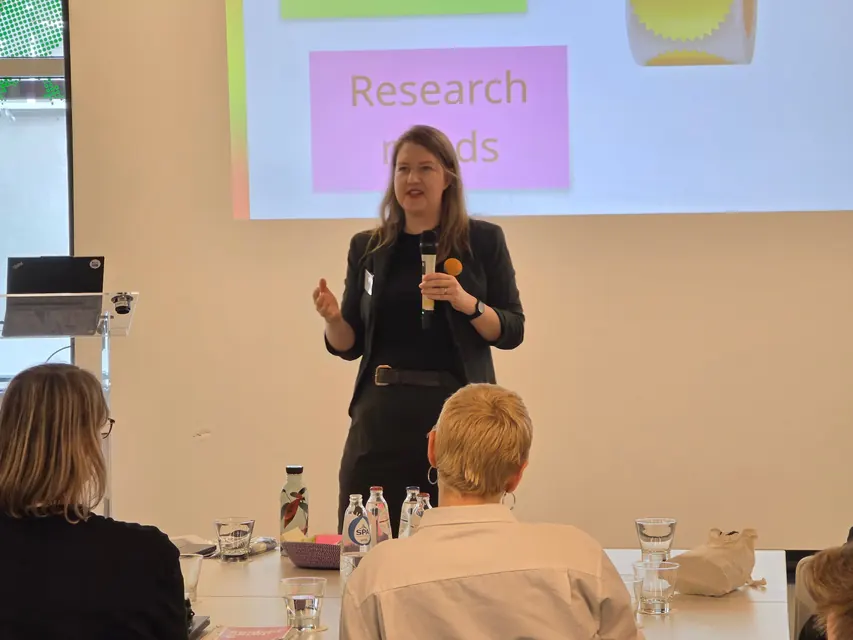
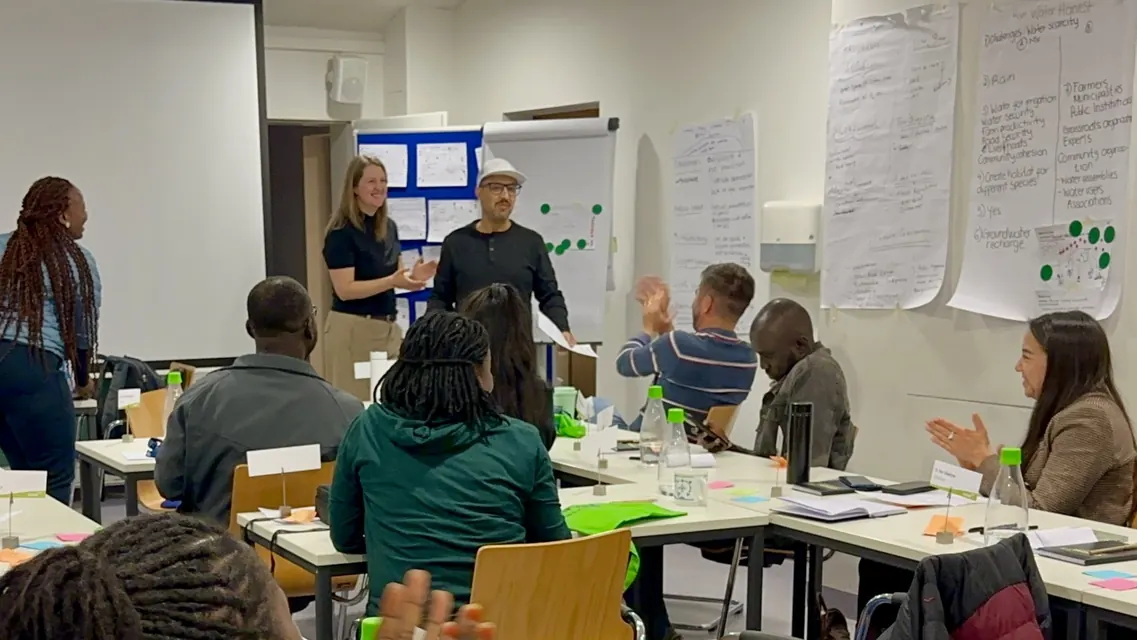
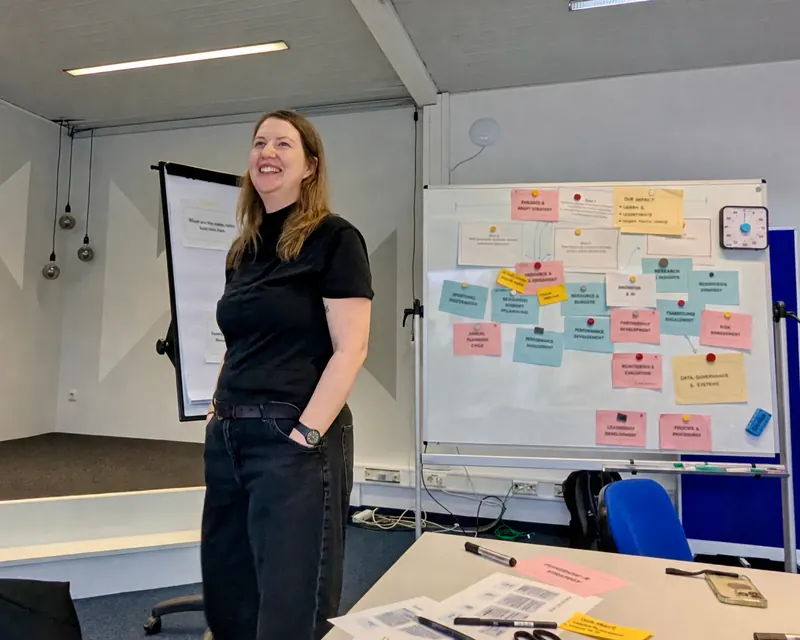
I combine my experience working as a researcher in Horizon projects with my skills as a facilitator. I help coordinators design meetings where partners connect, understand how their work fits together and agree on how to move forward.
- 9 years working in Horizon 2020 and Horizon Europe projects as a researcher, including experience in project coordination
- 100+ meetings and workshops facilitated over 15 years
- Experience facilitating workshops for European institutions and foundations.
What if your kickoff was where your consortium became a team?
A successful proposal brings organisations together on paper. Your kickoff is a chance to start building the relationships and ways of working that will make collaboration possible.
Imagine a meeting where your partners:
Connect with the project's bigger purpose.
Discuss the impact they want to achieve together and develop a shared sense of ownership.
See how their work fits together.
Explore the connections between Work Packages, understand who depends on whom, and identify where they need to collaborate.
Agree on how they'll work together.
Establish ways to communicate, make decisions and raise problems before they turn into delays.
Build real relationships.
Get to know the people behind the partner organisations, develop trust and start feeling like one team.
Communication, trust and collaboration aren't just nice extras. A 2024 study of Horizon 2020 and Horizon Europe project participants identified them as three key factors in successful project coordination.
Your kickoff is an opportunity to start putting these into practice — helping partners build relationships, understand what they need from one another and agree how they'll work together from the very beginning.
I've seen what makes a consortium work.
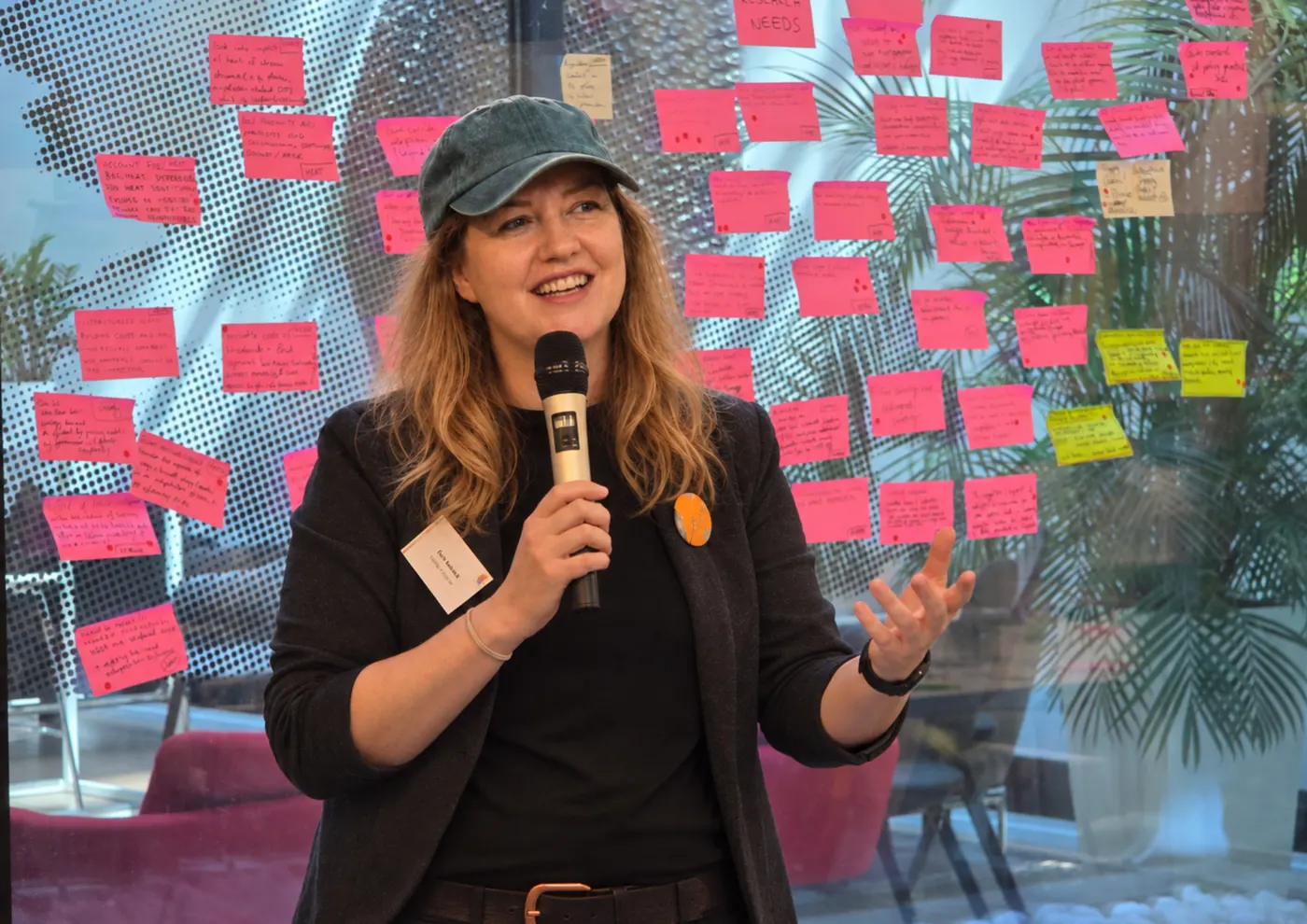
I bring two perspectives to my work: nine years as a researcher in Horizon 2020 and Horizon Europe projects, and 15 years designing and facilitating meetings and workshops — more than 100 so far.
I know Horizon projects from the inside, from the management and reporting requirements to the challenges of working across different organisations. And I've seen how much difference good collaboration can make.
The INTERLACE spirit
One experience that particularly shaped my approach was INTERLACE, a Horizon 2020 project bringing together research and city partners across Europe and Latin America.
INTERLACE was coordinated by Ecologic Institute, where I worked alongside the project's coordinator as part of the coordination team, from proposal development through to the project's completion.
Over the years, partners started talking about "the INTERLACE spirit" — a sense of trust, openness and genuine enthusiasm for working together.
That spirit didn't happen on its own. Throughout the project, we made space for people to connect, exchange ideas, work through challenges and build relationships.
Together with colleagues, I documented what we'd learned in Locally rooted, globally connected, a publication about collaboration and knowledge exchange in international research projects.
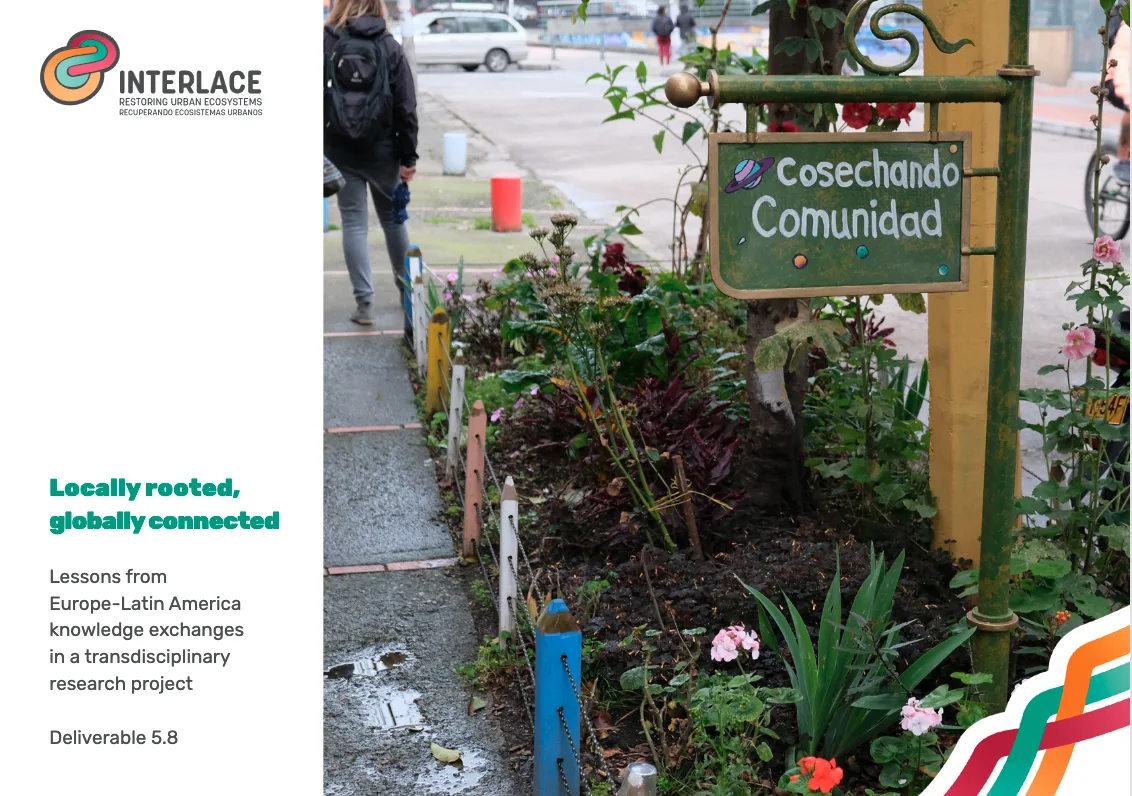
“The trust and personal bonds we built through in-person meetings were crucial for navigating challenges later in the project.”
Some of the organisations I've facilitated workshops for
Through my work at Ecologic Institute and other organisations, I've facilitated workshops for European institutions, foundations and programmes, including:

How I turn meetings into opportunities for collaboration
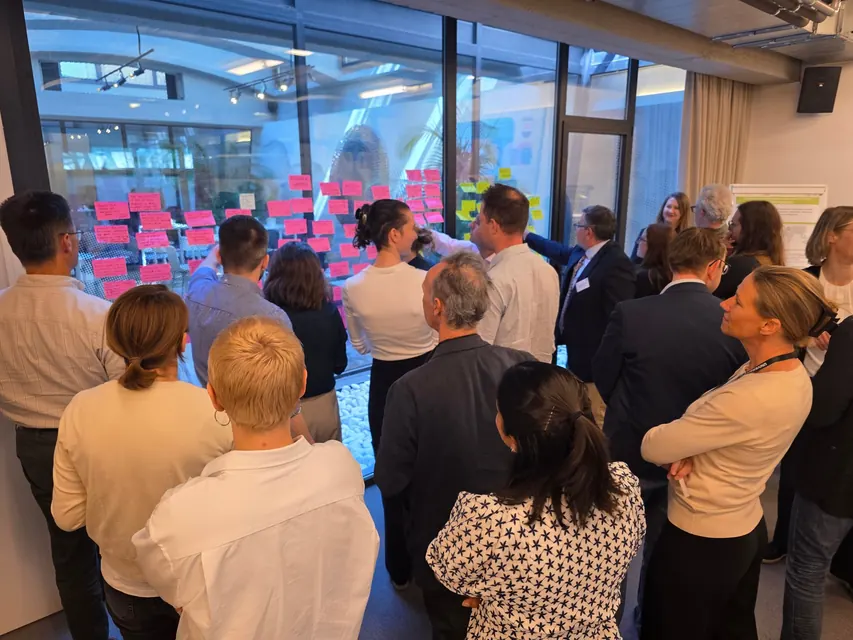
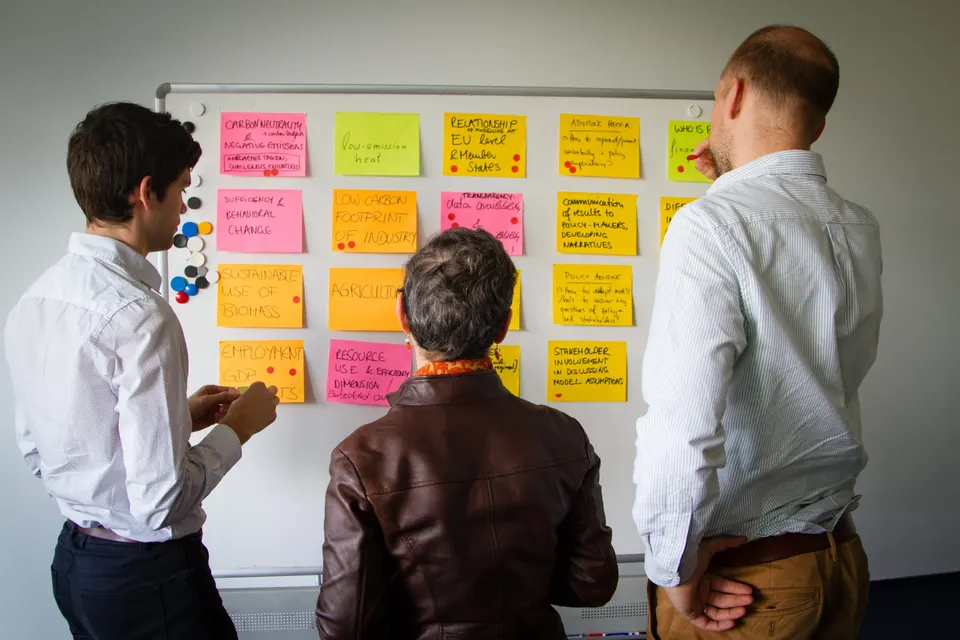
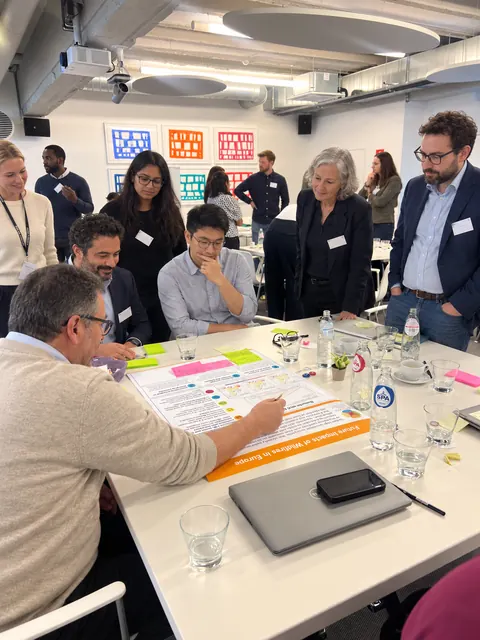
Imagine your work package leads mapping out their dependencies together. Instead of only presenting their individual plans, they explore where their work connects, what they need from one another and where potential bottlenecks might arise.
That's the kind of collaborative work I build into meetings.
Every consortium is different, but four principles guide how I design and facilitate:
Connect
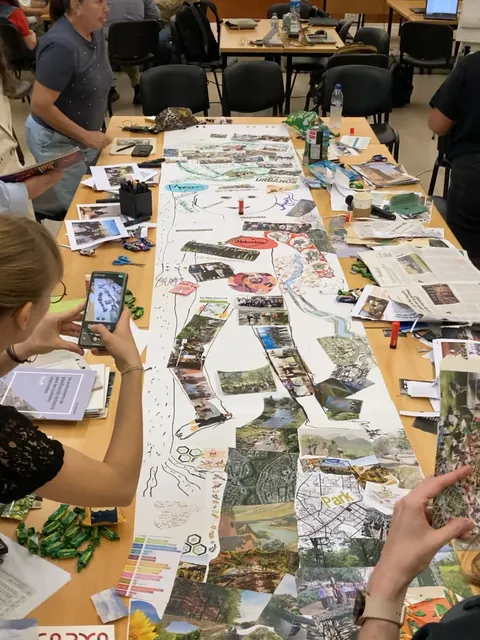
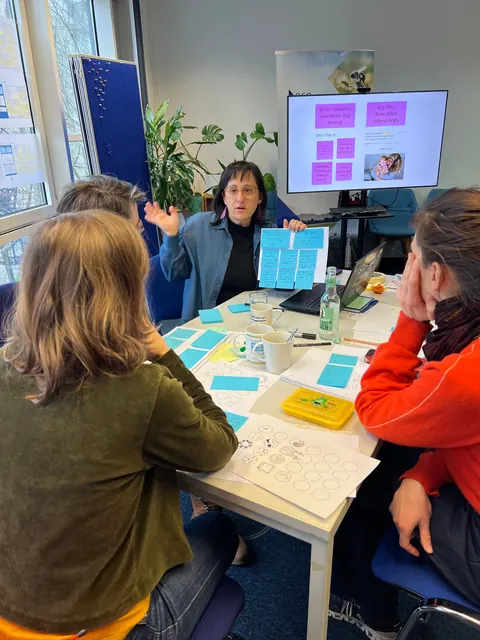
I create opportunities for people to get to know each other beyond their job titles and work packages, through conversations and exercises that help build relationships.
Align
I help partners explore their shared purpose, discuss expectations and develop a common understanding of what they're trying to achieve.
Map
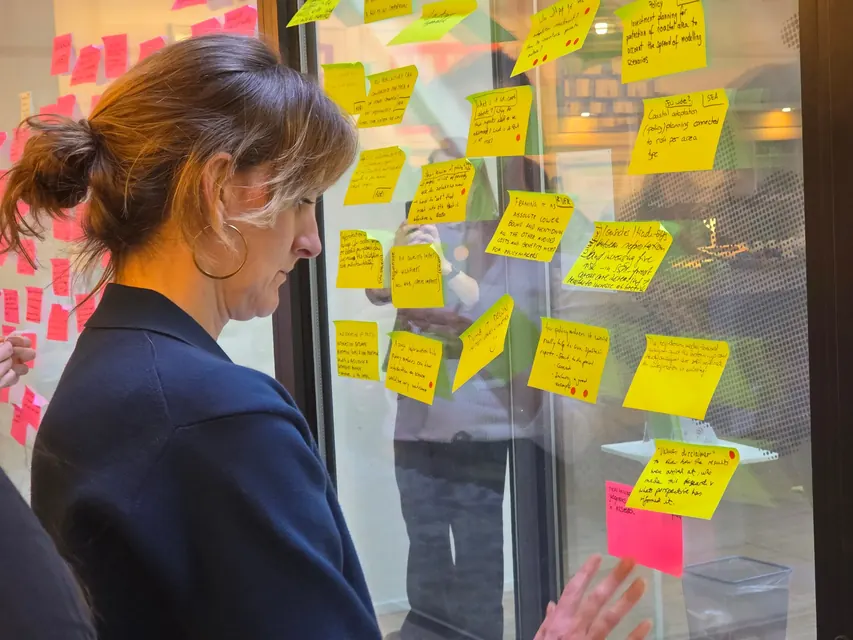
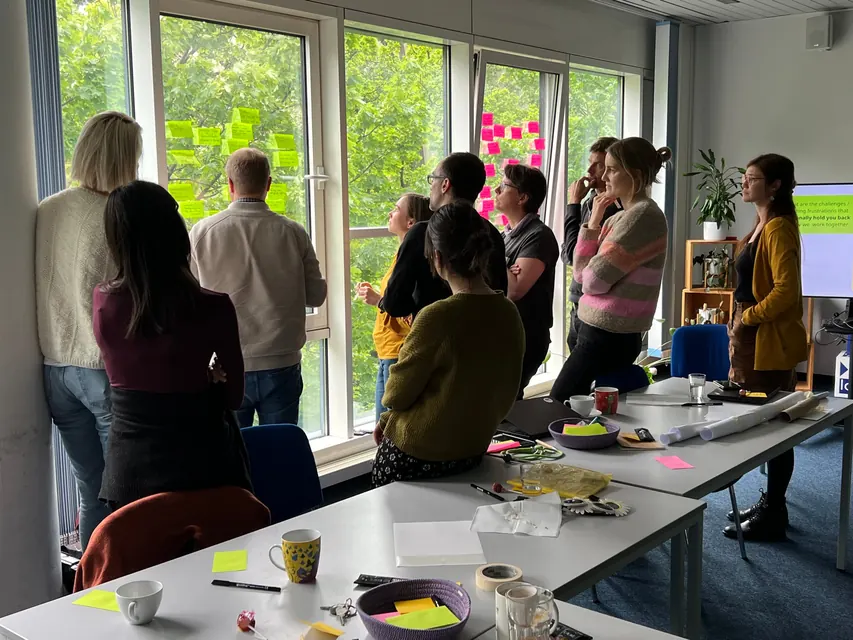
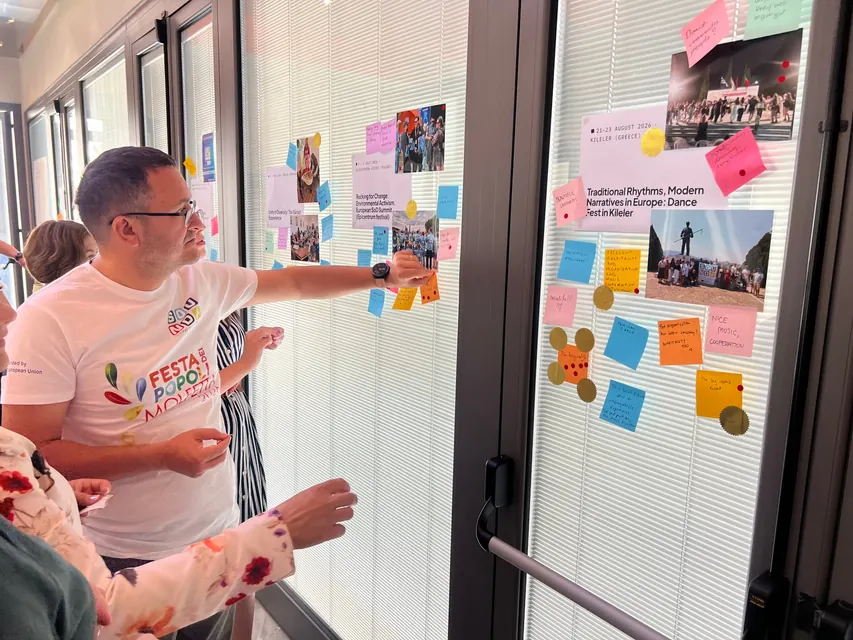
I use collaborative exercises and visual tools to help groups make dependencies, responsibilities and challenges visible — and work through them together.
Agree
I guide discussions towards practical decisions, clear next steps and agreements about how people will work together.
The activities and formats depend on your project and what the meeting needs to achieve. The aim is to give partners the opportunity to do meaningful work together, not just hear about each other's work.
How we'll work together
From the first conversation to the final follow-up, I take care of designing and facilitating your meeting, so you and your partners can focus on the work that matters.
- 1Let's talk about your project
We start with a free 30-minute conversation about your project, your consortium and what you'd like your meeting to achieve. We'll explore whether and how I could help. If it looks like a good fit, I'll prepare a proposal with a clear scope and fixed price.
- 2I design your meeting
I'll work with you, and where useful your work package leads, to understand the needs of your consortium. Then I'll design the agenda, collaborative exercises and materials. You'll review everything before the meeting.
- 3We bring everyone together
I facilitate the meeting, whether in person or online. I guide discussions, make space for everyone's contributions and help the group turn ideas into concrete outcomes. You can focus on participating and leading the project rather than managing the meeting.
- 4We make sure the work continues
Afterwards, you'll receive a summary of key discussions, decisions and agreed next steps, ready to share with the consortium and use to keep the work moving.
And it doesn't have to stop at the kickoff. I design and facilitate meetings throughout the life of a project — from General Assemblies and internal consortium meetings to project conferences, stakeholder workshops, co-creation sessions and other public-facing events. I also offer facilitation training for project teams.
A few practical questions
Can this be paid from the project budget?
Often, yes. External meeting facilitation can be commissioned as a service for a Horizon Europe project, potentially using funds allocated to project management or meetings.
The exact arrangements depend on your grant agreement, available budget and your institution's procurement rules.
I offer fixed prices for clearly defined services and can provide the information your finance or procurement team needs to assess and arrange the purchase.
Does this work online?
Absolutely. Online meetings can be just as collaborative as in-person ones, but they need a different approach: shorter sessions, interactive visual tools and smaller group discussions rather than hours of presentations on a shared screen.
Will I still lead the meeting as coordinator?
Of course. You remain the coordinator and the voice of the project. I guide the process so you can actively participate, contribute to discussions and focus on the bigger picture.
How far ahead should we start planning?
Ideally, six to eight weeks before your meeting. The earlier we talk, the more freedom we have to shape the agenda around what your consortium really needs. But if planning is already underway, do get in touch — we can see what's possible.